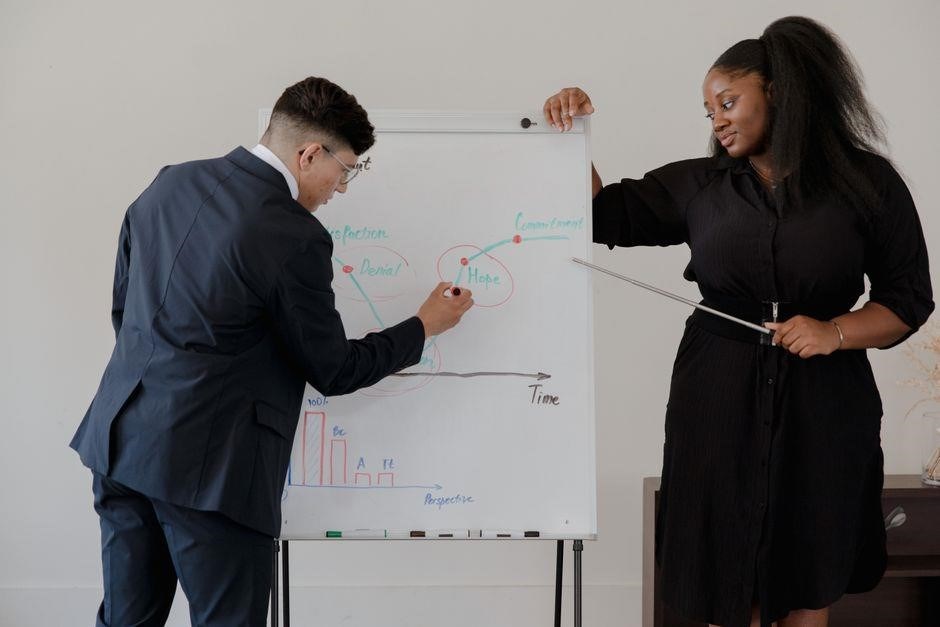
Instructional coaching professional development equips educators with reflective practices, data‑driven strategies, and collaborative skill sets to enhance classroom effectiveness. It fosters continuous learning, elevates instructional quality, and supports systemic growth for growth and now
Purpose and Overview
Instructional coaching professional development serves as a catalyst for sustained instructional improvement, aligning individual teacher growth with institutional goals. Its purpose is to create a structured, reflective environment where educators can systematically examine classroom practices, analyze student data, and implement evidence‑based strategies that elevate learning outcomes. By fostering a culture of continuous inquiry, coaching empowers teachers to take ownership of their practice, refine pedagogical techniques, and adapt to diverse student needs.
The overview of this development pathway outlines a cyclical process: needs assessment, goal setting, coaching sessions, data collection, and reflective feedback. Coaches act as facilitators, not supervisors, guiding teachers through targeted observations, collaborative analysis, and actionable plans. This professional development framework emphasizes shared leadership, peer collaboration, and the integration of research findings into everyday instruction. Ultimately, it aims to build a resilient, evidence‑driven teaching community that consistently seeks improvement and celebrates instructional excellence.
Through iterative cycles of observation and data analysis, coaching encourages experimentation with differentiated instruction and technology integration. Model promotes equity by addressing systemic barriers and supporting culturally responsive pedagogy. Feedback!! loops keep coaching responsive to evolving student needsand educational standards!!!
Key Benefits for Educators
Instructional coaching professional development offers educators a multifaceted platform for growth. First, it cultivates reflective practice, enabling teachers to critically examine classroom dynamics, instructional choices, and student engagement. Second, coaches provide targeted, data‑driven feedback that sharpens pedagogical techniques and boosts instructional efficacy. Third, the collaborative nature of coaching fosters a supportive community, reducing isolation and encouraging shared problem‑solving.
- Enhanced instructional confidence and autonomy.
- Improved student achievement through evidence‑based strategies.
- Greater alignment with school goals and curriculum standards.
- Opportunities for leadership development and mentorship;
- Increased job satisfaction and professional resilience.
Ultimately, coaching empowers educators to become lifelong learners, continuously refining their craft and contributing to a culture of excellence.
The coaching journey also nurtures a reflective mindset, teachers to set goals, analyze instructional data, and iterate on lesson designs. By engaging in observation cycles, educators gain insights into student thinking patterns, enabling interventions that elevate learning paths. Moreover, coaching fosters a shared vision, aligning classroom practices with district priorities and ensuring that every instructional decision is informed by research and relevance.
Core Competencies Required

Effective instructional coaching requires a blend of interpersonal, analytical, and pedagogical skills. Coaches must master active listening, empathetic inquiry, and constructive feedback to build trust and facilitate reflective dialogue. They should be adept at classroom observation, using structured protocols to capture instructional moments and interpreting assessment data to pinpoint growth areas. Strong facilitation techniques—such as coaching cycles, goal‑setting frameworks, and action‑plan development—enable educators to translate insights into practice. Knowledge of curriculum design, differentiation, and evidence‑based strategies ensures coaches can model and scaffold effective teaching. Cultural competence and equity awareness are essential, allowing coaches to support diverse learners and address systemic biases. Coaches also need organizational skills to manage schedules, document observations, and track progress. Proficiency with technology tools—video recording, data dashboards, and collaborative platforms—supports remote or hybrid coaching models. Ethical awareness is critical; coaches must navigate confidentiality, professional boundaries, and power dynamics with integrity. The ability to coach across content areas and grade levels requires flexibility and deep subject‑specific pedagogy. Finally, coaches should model reflective practice for peers, fostering a culture of continuous improvement. By integrating these competencies, instructional coaches become catalysts for systemic change, empowering teachers to implement innovative practices, elevate student learning, and sustain professional growth. Coaches also cultivate professional learning communities, fostering collaborative inquiry across departments. They remain current with research, attending workshops, and integrating emerging technologies into practice. Their ethical judgment ensures confidentiality, creating a safe space for reflective growth. Coaches mentor new teachers, guiding them through first classroom years!

Foundations of Instructional Coaching
Instructional coaching foundations blend reflective practice, data analysis, and collaborative dialogue. Rooted in educational theory, it emphasizes continuous improvement, equitable learning, and evidence-based strategies to elevate teaching effectiveness. Coaching curiosity, fuels growth, enhance instruction.
Historical Evolution of Coaching Models
From early apprenticeship traditions to modern data‑driven frameworks, coaching has transformed alongside educational paradigms. In the 1970s, the concept of teacher coaching emerged as a response to the need for peer‑supported professional growth, emphasizing collaborative inquiry and reflective practice. The 1990s introduced structured coaching cycles, integrating goal‑setting, observation, and feedback loops, influenced by organizational management theories. By the 2000s, evidence‑based models such as the Danielson Framework and the Teacher Coaching Model of the Center for Educational Leadership gained prominence, offering systematic approaches to align instructional practices with research findings. The 2010s saw a shift toward technology‑enhanced coaching, leveraging video analysis, digital dashboards, and virtual collaboration tools to increase accessibility and scalability. Today, coaching models emphasize equity, cultural responsiveness, and data literacy, integrating social‑emotional learning metrics and inclusive pedagogies. The evolution reflects a growing recognition that coaching is not merely instructional support but a catalyst for systemic change, fostering a culture of continuous improvement across schools and districts.Contemporary coaching models embed equity lenses, ensuring instructional shifts meet diverse learner needs and foster culturally responsive practices, aligning professional growth with systemic transformation goals today
Evidence-Based Practices in Coaching

Evidence-based coaching draws on rigorous research to shape interventions that improve teacher practice and student outcomes. Key practices include:
- Data‑driven goal setting, where coaches and teachers jointly analyze classroom metrics to identify specific instructional targets.
- Structured observation protocols, such as the Classroom Observation Protocol for Instructional Coaching (COPIC), that provide systematic, actionable feedback.
- Reflective dialogue, grounded in the principles of reflective practice, encouraging teachers to critically examine their pedagogical choices.
- Micro‑coaching sessions, short, focused interactions that target micro‑skills and promote rapid skill acquisition.
- Collaborative action research, where teachers design, implement, and evaluate instructional interventions, fostering ownership and evidence generation.
These practices are supported by meta‑analyses showing that coaching increases instructional quality by 10‑15% and improves student achievement. Implementation fidelity, coach training, and ongoing evaluation are essential to sustain impact. By aligning coaching with evidence, educators can systematically refine practice, ensuring that professional development translates into measurable classroom improvements. Research indicates that coaches who receive ongoing professional learning and engage in reflective practice themselves are more effective, fostering a culture of growth across community.!!!
Differentiating Coaching from Mentoring
Coaching and mentoring are distinct yet complementary professional development approaches. Coaching emphasizes short‑term, goal‑oriented, data‑driven collaboration that focuses on specific instructional practices and measurable outcomes. Mentoring, in contrast, is a longer‑term relationship that provides holistic guidance, career support, and personal growth. Coaches work collaboratively with educators to set observable goals, observe classroom practice, and provide structured feedback, often using evidence‑based frameworks such as COPIC or the 5‑Step Coaching Cycle. Mentors typically share experience, model strategies, and offer reflective dialogue over a broader spectrum of professional and personal issues. The coaching relationship is usually formal, scheduled, and performance‑based, while mentoring is more flexible, informal, and relationship‑driven. Both roles require strong communication skills, but coaching demands a data‑centric mindset and a focus on immediate instructional improvement, whereas mentoring prioritizes relational trust, long‑term development, and career navigation. Effective professional development programs often integrate both models, ensuring that educators receive targeted instructional support while also benefiting from sustained mentorship that nurtures their overall professional identity By embedding coaching within a culture of inquiry, schools create ecosystems where educators refine practice, share evidence, and elevate student learning ensuring sustainable progress for all stakeholders everywhere

Designing an Effective Coaching Program
Effective coaching programs begin with clear goals, structured cycles, and data‑driven feedback; They align resources, train coaches, and embed continuous evaluation to sustain growth and impact across schools. Ensuring alignment with vision. and!?
Needs Assessment and Goal Setting
In designing an instructional coaching program, the first step is a comprehensive needs assessment that identifies gaps in teaching practice, professional growth priorities, and institutional objectives. This assessment employs mixed methods: classroom observations, teacher surveys, student achievement data, peer‑review panels, and leadership interviews. The data is triangulated to create a clear, evidence‑based picture of where educators require support. Once needs are mapped, goal setting follows a structured, collaborative process. Coaches work with teachers to formulate SMART goals—specific, measurable, attainable, and relevant and time‑bound—that align with both individual aspirations and school improvement plans. These goals are documented in a coaching contract, signed by both parties, and revisited at each cycle. Continuous feedback loops and reflective journals help teachers track progress, adjust strategies, and celebrate milestones. This rigorous foundation establishes a transparent, data‑driven culture that sustains coaching effectiveness and drives measurable instructional outcomes. The assessment and goal‑setting cycle is iterative; after each coaching cycle, data is revisited, and goals are refined to reflect emerging challenges. Teachers document reflections in a learning journal, which coaches review to tailor subsequent sessions. This dynamic process ensures coaching remains responsive evidence‑based aligned with teacher growth and school improvement priorities.?
Coaching Frameworks and Cycles
Effective instructional coaching relies on structured frameworks that guide the sequence of interactions, data collection, and reflection. Common models—such as the 5‑step cycle (observe, discuss, plan, implement, evaluate), the 3‑phase model (pre‑observe, observe, post‑observe), and the collaborative inquiry cycle—provide clear checkpoints for both coach and teacher. Each cycle begins with a shared agenda that aligns with the teacher’s goals identified in the needs assessment. Coaches gather classroom data through video recordings, lesson plans, and student work samples, then collaboratively analyze evidence to surface strengths and growth areas. During the discussion phase, coaches employ open‑ended questions, active listening, and evidence‑based feedback to foster reflective practice. The planning stage involves co‑creating actionable strategies, selecting instructional resources, and setting measurable objectives. Implementation is monitored through follow‑up visits, coaching notes, and teacher logs, ensuring fidelity to the plan; Evaluation concludes the cycle, where outcomes are measured against the original goals, and insights inform the next cycle. This iterative process promotes continuous improvement, supports data‑driven decision making, and embeds coaching into the school’s culture. By cycling through observation, reflection, planning, action, and evaluation, coaches and teachers build a sustainable partnership that elevates instructional quality and student learning outcomes.

Coaches facilitate circles where teachers share best practices, reflect on challenges, and interventions. These collaborative spaces reinforce accountability, diversify instructional strategies, and foster a community of practice that sustains growth beyond individual coaching cycles. Continuous professional dialogue ensures that coaching remains responsive to evolving curricular demands and student needs!!
Resource Allocation and Sustainability
Ensuring that instructional coaching programs endure requires deliberate budgeting, strategic staffing, and continuous investment in professional learning. Schools must allocate funds for coach salaries, training workshops, and technology that supports data collection and video analysis. A tiered staffing model—combining senior coaches, peer mentors, and emerging coaches—maximizes expertise while controlling costs. Sustainable funding streams can come from district budgets, grants, and partnerships with universities or research institutions. Additionally, embedding coaching into the school’s annual planning cycle secures institutional commitment; it becomes a core component of teacher evaluation and professional growth plans. Resource allocation should also address time: protected coaching windows, reduced teaching loads, or scheduled observation slots ensure coaches and teachers can engage deeply without compromising instructional time. Continuous professional development for coaches themselves—through advanced certifications, conferences, and collaborative communities—maintains high coaching quality. Finally, data systems that track coaching outcomes, teacher growth, and student achievement provide evidence for ongoing investment, creating a virtuous cycle of accountability and renewal. By aligning financial, human, and technological resources with a clear sustainability framework, schools can embed coaching as a lasting catalyst for instructional excellence. This cycle drives growth and impact! Coaching drives practice and learning for staff

Implementation and Evaluation
Implementation begins with clear roles, timelines, and data systems. Evaluation follows, using formative checks, outcome metrics, and reflective cycles to refine coaching practices and sustain impact.
Data informs iterative daily coaching cyclesnow.
Recruitment and Training of Coaches
Recruiting coaches begins with a transparent selection framework that values pedagogical expertise, reflective capacity, and relational skill. Candidates undergo a multi‑stage process: application, peer review, simulated coaching, and interview. Training blends theory and practice: foundational coaching models, classroom observation techniques, data literacy, and ethical guidelines. Coaches engage in a structured learning cycle—pre‑coaching workshops, micro‑coaching sessions, and reflective journaling—while receiving ongoing mentorship and peer collaboration. Continuous professional learning is embedded through quarterly seminars, coaching communities, and evidence‑based research updates. Evaluation of coach performance integrates self‑assessment, supervisor observation, and teacher feedback, ensuring alignment with institutional goals and sustained instructional improvement. To sustain high coaching quality, schools implement a tiered support system. New coaches receive intensive onboarding, while seasoned coaches mentor peers through observation cycles and action research projects. Professional learning communities convene monthly, sharing case studies and refining coaching rubrics. Data dashboards track progress, flagging gaps in teacher growth and coach effectiveness. Feedback loops involve self‑reflection, peer review, and administrative oversight, ensuring accountability and continuous refinement of coaching protocols. Such coaching fosters reflective practice, improving instructional quality!

Monitoring Coaching Interactions
Monitoring coaching interactions is essential for ensuring fidelity and impact. It involves systematic observation, data collection, and reflective dialogue. Coaches record session notes, use observation rubrics, and gather teacher feedback through surveys. Data is entered into a secure dashboard that tracks progress over time. Regular review meetings allow coaches and administrators to discuss trends, identify challenges, and adjust strategies. Peer coaching circles provide additional layers of accountability, where coaches observe each other’s sessions and offer constructive critique. Triangulating data from video recordings, teacher reflections, and student outcomes creates a comprehensive picture of coaching effectiveness. Continuous monitoring supports professional growth, informs training needs, and demonstrates accountability to stakeholders. By embedding robust monitoring practices, institutions can sustain high‑quality coaching and drive lasting instructional improvement. Monitoring also includes ethical safeguards: confidentiality protocols, informed consent, and data protection policies. Coaches use digital tools such as video analytics, real‑time feedback apps, and collaborative annotation platforms to streamline evidence gathering. Structured reflection logs capture moments of insight, action steps, and follow‑up plans. Data analysts review aggregated metrics, identify patterns, and generate reports for leadership. Feedback loops involve teachers, coaches, and administrators, ensuring that insights translate into actionable change. Ongoing professional learning communities review monitoring outcomes, refine rubrics, and share best practices, fostering a culture of continuous improvement. The monitoring framework also aligns with district standards, ensuring that coaching initiatives are measurable and aligned with broader educational goals. Additionally, coaches maintain a reflective portfolio that documents evidence of growth, challenges faced, and strategies employed. This portfolio serves as a resource for future coaching cycles and supports professional accreditation. Stakeholder engagement is facilitated through periodic reports, town‑hall meetings, and digital dashboards that highlight key metrics and success stories. By integrating these elements, the monitoring process becomes a dynamic, data‑rich ecosystem that drives sustained instructional excellence. Continuous refinement of monitoring tools ensures relevance in evolving educational contexts.
Measuring Impact and Continuous Improvement
Effective instructional coaching programs rely on rigorous impact measurement and iterative refinement. First, define clear, observable outcomes—student growth, teacher efficacy, and instructional fidelity—using aligned assessment tools. Collect baseline data, then track progress through formative and summative measures. Employ mixed‑methods analysis: quantitative scores, qualitative observations, and reflective logs. Analyze trends with statistical software, generating dashboards that highlight success stories and areas needing support. Second, conduct regular fidelity checks, ensuring coaching practices match the intended model. Use peer review, video analysis, and standardized rubrics to capture consistency. Third, gather stakeholder feedback—teachers, coaches, administrators, and students—via surveys, focus groups, and interviews. This multi‑source evidence informs whether the coaching is perceived as valuable and transformative. Fourth, synthesize findings into a continuous improvement cycle. Identify root causes of gaps, design targeted interventions, and adjust coaching protocols accordingly. Implement rapid‑cycle testing, allowing quick modifications and immediate evaluation. Fifth, document lessons learned in a knowledge repository, enabling future coaches to access proven strategies and pitfalls. Finally, report outcomes to leadership, demonstrating accountability and securing ongoing resources. By embedding measurement and continuous improvement into the coaching culture, institutions create a self‑sustaining system that adapts to changing educational demands and consistently elevates instructional quality. Continuous improvement is not a one‑time event but a dynamic, data‑driven journey that requires commitment, collaboration, and a willingness to adapt practices based on evidence. By systematically capturing evidence, reflecting on outcomes, and recalibrating strategies, schools can sustain a culture of excellence that continually raises student achievement and teacher confidence. This iterative cycle ensures that instructional coaching remains responsive, evidence‑based, and aligned with evolving educational goals and growth. Continuously refining these practices sustains!!.