Article Plan: Tour Guide Remark at Challah Factory
A local guide’s insightful commentary transforms a simple factory tour into a profound experience‚ connecting ancient biblical narratives with the present-day landscape of Israel.
The guide eloquently links the challah-making process to the journeys of Avraham and Sarah‚ emphasizing the land’s historical and spiritual significance.
Incorporating linguistic nuances like “Inch Allah‚” the guide fosters cross-cultural understanding and enriches the tour with layers of meaning.
The aroma of freshly baked challah‚ a staple of Jewish tradition‚ often evokes feelings of warmth and nostalgia. However‚ for a group on a seemingly ordinary factory tour‚ the experience transcended the sensory and entered the realm of the unexpectedly spiritual. It wasn’t the bread itself‚ but rather a seemingly casual remark by the tour guide that sparked this transformation.
As the group observed the modern machinery efficiently producing loaves of challah‚ the guide paused‚ stepping away from the technical explanation of the process. He didn’t speak of ingredients or baking times‚ but instead‚ intoned a phrase that resonated with centuries of history: “Imagine‚ this is where Avraham walked with Sarah.”
This simple statement‚ connecting the industrial setting to the biblical narrative‚ shifted the atmosphere. The factory floor‚ previously perceived as a place of production‚ suddenly felt imbued with a sense of sacredness. The guide’s words painted a vivid picture of the land’s ancient past‚ reminding visitors that they were standing on ground walked by figures central to their faith. It was a moment of unexpected connection‚ a reminder that even in the most modern of settings‚ the echoes of history and spirituality can be profoundly felt.
This initial remark served as a catalyst‚ setting the stage for a tour that would weave together the practicalities of breadmaking with the rich tapestry of biblical stories and cultural insights.
II. The Setting: A Modern Challah Factory
The challah factory itself presented a striking contrast to the ancient narratives the guide would soon invoke. It wasn’t a rustic‚ traditional bakery‚ but a modern‚ efficient production facility. Gleaming stainless steel machinery dominated the space‚ orchestrating the process of mixing‚ kneading‚ proofing‚ and baking with precision.
Large-scale mixers churned out vast quantities of dough‚ while automated braiding machines expertly shaped the loaves. Conveyor belts transported the challahs through ovens‚ emerging golden brown and fragrant. The air hummed with the sounds of industry – the whir of motors‚ the clatter of metal‚ and the rhythmic movements of the production line.
Despite its industrial nature‚ the factory maintained a sense of cleanliness and order. Visitors observed the process from a designated viewing area‚ separated from the machinery by glass panels. This allowed for a clear view of the entire operation‚ from the initial ingredients to the finished product. The setting‚ while undeniably modern‚ wasn’t sterile; the pervasive aroma of baking bread created a warm and inviting atmosphere‚ hinting at the tradition behind the mass production.
It was within this unexpected juxtaposition – a high-tech factory producing an ancient food – that the guide’s remark would gain its full impact‚ bridging the gap between the past and the present.
III. The Factory’s Production Process – A Brief Overview
The challah-making process‚ as explained during the tour‚ began with the careful selection of ingredients: flour‚ water‚ yeast‚ eggs‚ oil‚ and a touch of sugar. These were combined in massive mixers‚ transforming into a smooth‚ elastic dough. The guide highlighted the importance of quality control at each stage‚ ensuring consistency and adherence to kosher standards.
Next came the crucial stage of proofing‚ where the dough rested and rose‚ developing its characteristic light and airy texture. Automated dividers portioned the dough into individual strands‚ ready for braiding. Here‚ the factory employed both traditional hand-braiding techniques – for specialty challahs – and sophisticated machines capable of producing intricate designs at scale.
Once braided‚ the challahs underwent a second proofing period before entering the ovens. Baking temperatures and times were precisely controlled to achieve the perfect golden-brown crust and soft interior. After baking‚ the challahs were cooled‚ packaged‚ and prepared for distribution‚ reaching tables across the country and beyond.
The guide emphasized that while modernized‚ the core principles of challah baking remained unchanged for centuries‚ connecting the factory’s output to a rich culinary heritage.
IV. The Tour Guide’s Role: Beyond Breadmaking
The tour guide’s function extended far beyond simply describing the challah-making process. They acted as a cultural interpreter‚ weaving together historical narratives‚ religious significance‚ and linguistic insights to enrich the visitor experience. The guide wasn’t merely presenting a factory; they were presenting a story – a story deeply rooted in Jewish tradition and the land of Israel.
Their expertise lay in drawing connections between the seemingly mundane act of baking bread and the profound journeys of biblical figures like Avraham and Sarah. By referencing the land’s barren beauty and its importance in religious texts‚ the guide elevated the tour to a spiritual level.
Moreover‚ the guide skillfully incorporated linguistic elements‚ such as the Arabic phrase “Inch Allah‚” demonstrating cultural interconnectedness and broadening the tour’s scope. This ability to seamlessly blend diverse elements showcased a deep understanding of the region’s complex history and its people.
In essence‚ the guide transformed a factory visit into a journey of discovery‚ fostering a sense of connection and reflection among the tour participants.
V. Historical Context: Avraham and Sarah’s Journey
The tour guide masterfully invoked the narrative of Avraham and Sarah‚ grounding the present-day experience within a rich historical and biblical context. Referencing their journey‚ the guide painted a vivid picture of the land as it existed millennia ago – a landscape characterized by both barrenness and a unique‚ compelling beauty.
This wasn’t simply a recitation of scripture; it was a deliberate attempt to connect visitors to the very ground upon which these foundational figures walked. The guide highlighted the significance of the land as a place of covenant and promise‚ emphasizing its enduring spiritual importance.
The story of Isaac and Rebecca’s meeting‚ also mentioned‚ further reinforced this connection to the past‚ illustrating the land’s role as a stage for pivotal moments in religious history. By framing the challah factory within this broader narrative‚ the guide transformed it from a commercial enterprise into a tangible link to ancestral roots.

In doing so‚ they invited visitors to contemplate the continuity of tradition and the enduring power of faith across generations.
VI. The Land of Israel: Barren Beauty and Biblical Significance
The guide eloquently described the Land of Israel‚ not as a lush paradise‚ but as a landscape of “barren beauty.” This phrasing was deliberate‚ acknowledging the historical challenges of the region while simultaneously highlighting its unique‚ austere appeal. The guide explained how this apparent harshness shaped the character of the people and their relationship with the divine.
This wasn’t merely an aesthetic observation; it was a theological point. The guide connected the land’s challenging environment to the biblical narrative of testing and resilience‚ emphasizing how faith flourished despite – and perhaps even because of – the difficulties.
The biblical significance of the land was woven throughout the commentary. The guide underscored its role as the Promised Land‚ a place of covenant and redemption‚ constantly referencing its importance in Jewish history and identity.
In essence‚ the land itself became a character in the story‚ a silent witness to centuries of faith‚ struggle‚ and renewal. This framing elevated the tour beyond a simple factory visit‚ transforming it into a pilgrimage of sorts.
VII. Connecting the Past to the Present – The Guide’s Technique
The tour guide’s skill lay in seamlessly bridging the gap between ancient history and contemporary life. It wasn’t simply reciting dates and names; it was about drawing parallels and revealing continuities. While observing the challah-making process‚ the guide didn’t just explain the ingredients or techniques‚ but actively linked them to the stories of Avraham and Sarah.
This connection was achieved through evocative storytelling and carefully chosen language. The guide would pause‚ gesturing towards the wheat fields (even if viewed only in images)‚ and ask the group to “imagine” Avraham walking this very land with Sarah‚ envisioning their journey and the challenges they faced.
The technique involved grounding abstract concepts in tangible experiences. The aroma of the baking challah‚ for example‚ wasn’t just a pleasant smell; it was a sensory link to generations of Jewish tradition and the hospitality extended to weary travelers‚ mirroring the welcome Avraham offered.
In this way‚ the guide transformed the factory into a living museum‚ where the past wasn’t merely remembered‚ but actively felt and experienced.
VIII. “Inch Allah” and Cultural Connections
During the tour‚ the guide unexpectedly introduced the Arabic phrase “Inch Allah” (or its variations like “Insha’Allah”)‚ explaining its meaning as “God willing.” This seemingly out-of-place interjection sparked curiosity among the tour participants‚ prompting a discussion about cultural exchange and shared Abrahamic roots.
The guide skillfully explained that while deeply embedded in Islamic tradition‚ the sentiment behind “Inch Allah” – acknowledging a higher power’s will – resonates across faiths‚ including Judaism. This acknowledgment of divine providence subtly connected the present-day factory setting to the broader historical and religious context of the region.
It wasn’t about equating the two religions‚ but rather highlighting a common thread of faith and humility; The guide pointed out the phrase’s prevalence in everyday conversation‚ demonstrating how it shapes interactions and perspectives in the Middle East.
This inclusion broadened the scope of the tour‚ moving beyond a purely Jewish narrative to acknowledge the complex tapestry of cultures and beliefs that have shaped the Land of Israel. It demonstrated a sensitivity and awareness that elevated the experience.
IX. Linguistic Roots and Variations of “Insha’Allah”
Delving deeper into the phrase‚ the tour guide offered a mini-lesson on the linguistic origins of “Insha’Allah.” He explained that it’s derived from the Arabic roots “insha” (to create) and “Allah” (God)‚ literally translating to “if God wills” or “God willing.” This etymological breakdown illuminated the phrase’s inherent theological foundation.
The guide then showcased the diverse morphological variations commonly used across the Arabic-speaking world. He mentioned “inch Allah‚” “in-Challah‚” and other subtle alterations‚ highlighting how pronunciation shifts depending on regional dialects and individual speech patterns.
Interestingly‚ he connected these variations to historical trade routes and cultural diffusion‚ suggesting that the phrase’s spread mirrored the movement of people and ideas throughout the Middle East and beyond. This linguistic exploration added a layer of historical depth to the discussion.
The guide also clarified that while often used as a polite expression of hope or intention‚ “Insha’Allah” carries a genuine spiritual weight for many‚ representing a recognition of divine sovereignty. He emphasized the importance of understanding the phrase’s nuanced meaning to avoid misinterpretations.
X. The Guide’s Authority and Interpretation
The tour guide’s authority wasn’t simply derived from factual knowledge‚ but from a skillful weaving of historical context‚ religious significance‚ and personal interpretation. He didn’t present information as absolute truth‚ but rather as a carefully constructed narrative‚ inviting contemplation.
His interpretations weren’t imposed; they were offered as possibilities‚ framed with phrases like “one could see this as…” or “it’s often understood that…”. This approach fostered a sense of shared discovery‚ rather than passive reception of information.
The guide’s background – implicitly suggested as deeply rooted in the local culture – lent credibility to his insights; He wasn’t an outsider looking in‚ but someone intimately connected to the land and its stories. This authenticity resonated with the tour group.
In essence‚ he acted as a cultural translator‚ bridging the gap between ancient traditions and modern understanding. His authority stemmed from a combination of expertise‚ sensitivity‚ and a genuine passion for sharing the richness of his heritage‚ transforming the challah factory visit into a meaningful experience.
XI. The Impact of a Local Guide’s Knowledge
A local guide’s intimate understanding of the region profoundly shaped the tour experience at the challah factory. Unlike a guide relying solely on historical texts‚ this individual possessed a lived connection to the land and its traditions.
This manifested in subtle yet powerful ways – a nuanced understanding of the landscape’s significance‚ a familiarity with local customs‚ and an ability to draw connections between seemingly disparate elements. The guide’s Inca descent‚ as noted in similar tours‚ highlights the value of indigenous perspectives.
He wasn’t merely reciting facts; he was sharing a personal narrative‚ imbued with the weight of generations. This authenticity resonated deeply with the tour participants‚ fostering a sense of genuine connection to the place and its people.
The guide’s knowledge extended beyond the factory walls‚ encompassing the broader cultural and historical context. He seamlessly integrated references to Avraham and Sarah’s journey‚ enriching the experience and transforming it from a simple bread-making demonstration into a spiritual and intellectual exploration.
XII. Hebrew Language Basics: Common Words & Relevance
The tour guide skillfully wove basic Hebrew vocabulary into the narrative‚ enhancing the immersive experience and fostering a deeper appreciation for the cultural context. While not a formal language lesson‚ the introduction of key words resonated with participants.
A document listing 500 basic Hebrew words‚ complete with transliterations and Hebrew script‚ underscores the importance of linguistic understanding. Even simple terms like “dad” or words related to food and blessing‚ subtly introduced‚ created a sense of connection.
The relevance extended beyond mere translation; it was about understanding the underlying cultural values embedded within the language. The guide likely used common phrases related to gratitude or sustenance‚ mirroring the themes of the challah-making process.
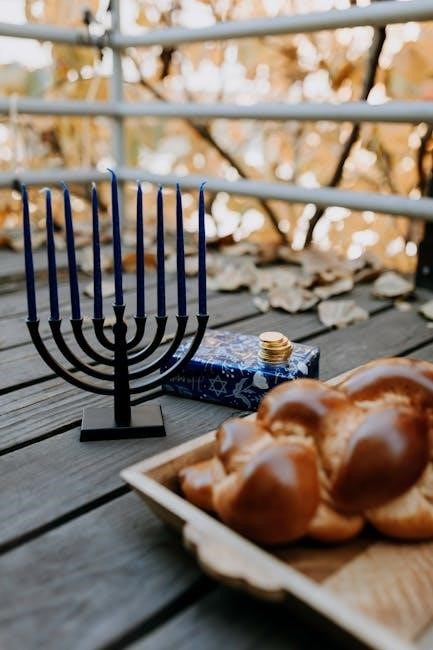
In a land steeped in biblical history‚ even a rudimentary grasp of Hebrew adds layers of meaning to the experience. It’s a language intrinsically linked to the stories of Avraham and Sarah‚ and the very landscape itself.
This linguistic integration wasn’t about fluency‚ but about fostering a sense of belonging and respect for the local culture‚ enriching the tour beyond a superficial observation.
XIII. Basic Hebrew Words Related to Food and Blessing
The tour guide’s inclusion of Hebrew words specifically related to food and blessing proved particularly poignant within the context of a challah factory. These weren’t merely vocabulary lessons‚ but rather a way to connect the physical act of breadmaking to centuries of tradition and faith.
Words like “lechem” (bread) or phrases expressing gratitude before a meal – a concept central to Jewish practice – likely surfaced during the tour. The guide may have explained the significance of “bracha” (blessing)‚ highlighting its role in sanctifying the food and the moment.
Considering the challah’s symbolic importance‚ especially during Shabbat and holidays‚ the guide might have introduced terms related to celebration and family. This linguistic touchpoint deepened the understanding of challah as more than just a baked good.
The use of these words wasn’t about expecting fluency‚ but about offering a glimpse into the cultural and religious heart of the experience. It subtly reinforced the idea that food‚ in this context‚ is imbued with spiritual meaning.
In essence‚ the guide transformed the factory tour into a mini-lesson on the intersection of language‚ faith‚ and culinary tradition‚ leaving a lasting impression on the visitors.
XIV. The Sensory Experience: Smell‚ Sight‚ and Taste
The challah factory‚ by its very nature‚ is a feast for the senses‚ and a skilled tour guide would undoubtedly capitalize on this. Beyond the mechanics of production‚ the guide likely drew attention to the immersive sensory experience unfolding around the visitors.
The aroma of baking challah – a warm‚ slightly sweet scent – would have been a central element. The guide might have described how this smell evokes feelings of home‚ tradition‚ and celebration‚ connecting it to memories and cultural identity.
Visually‚ the factory offers a compelling spectacle: mounds of golden dough‚ skilled hands braiding intricate shapes‚ and rows of perfectly formed challahs baking to perfection. The guide could have highlighted the artistry involved.
If tasting was offered‚ it would have been the culmination of the sensory journey. The soft texture‚ subtle sweetness‚ and satisfying chew of fresh challah would have provided a tangible connection to the process and the tradition.
The guide’s role was to elevate these sensory impressions‚ transforming them from simple perceptions into meaningful experiences‚ deepening the visitors’ appreciation for challah and its cultural significance.
XV. The Aroma of Challah: A Sensory Connection to Tradition
The pervasive aroma within the challah factory isn’t merely a pleasant scent; it’s a powerful conduit to Jewish tradition and memory. A perceptive tour guide would emphasize this‚ explaining how smell is uniquely linked to emotional recall.
The warm‚ yeasty fragrance evokes Shabbat and holidays‚ instantly conjuring images of family gatherings‚ festive tables‚ and generations of shared meals. It’s a scent deeply embedded in the collective Jewish consciousness.
The guide might discuss how the aroma connects to the biblical story of Miriam’s Well‚ symbolizing sustenance and divine provision. This links the simple act of baking bread to a profound spiritual heritage.
In many Jewish homes‚ the smell of challah baking signals the imminent arrival of a sacred time‚ a moment of pause and reflection. The guide could share personal anecdotes or stories illustrating this connection.
By drawing attention to the aroma‚ the guide transforms a sensory experience into a cultural and historical lesson‚ demonstrating how even the simplest things can carry immense meaning and connect us to the past.
XVI. Thanksgiving Seder & Family Traditions – Parallel Themes
A skilled tour guide‚ observing the communal aspect of challah baking‚ might draw parallels to the Thanksgiving Seder‚ particularly for families with young children. Both events center around shared food‚ storytelling‚ and the strengthening of familial bonds.
The guide could explain how the challah‚ often braided‚ symbolizes unity and interconnectedness‚ mirroring the themes of gratitude and togetherness celebrated during Thanksgiving. Both traditions emphasize remembering and appreciating blessings.
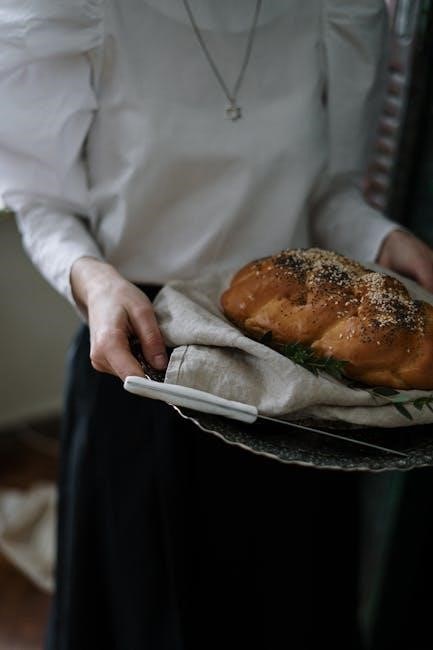
The Seder plate‚ with its symbolic foods‚ finds an echo in the ingredients of challah – flour representing sustenance‚ eggs symbolizing new life‚ and honey signifying a sweet new year. These elements resonate with themes of harvest and gratitude.
In both settings‚ the act of sharing food becomes a ritual‚ fostering a sense of belonging and continuity. The guide might highlight how these traditions are passed down through generations‚ preserving cultural identity.
By connecting the challah factory experience to the familiar framework of Thanksgiving‚ the guide makes Jewish tradition more accessible and relatable‚ fostering a deeper appreciation for the universal values of family‚ gratitude‚ and remembrance.
XVII. The Role of Food in Religious Observance
The tour guide‚ amidst the aroma of baking challah‚ could eloquently discuss the profound role food plays in religious observance across various faiths. Challah itself isn’t merely bread; it’s a sacred offering‚ central to the Jewish Sabbath and holidays.
The guide might explain how food often symbolizes divine gifts and blessings‚ requiring reverence and mindful consumption. The act of preparing and sharing food becomes a spiritual practice‚ fostering community and gratitude.
In Judaism‚ specific blessings are recited before and after eating‚ acknowledging God’s provision. This practice extends beyond challah to all food‚ emphasizing its sacredness. Similar rituals exist in other religions‚ highlighting a universal connection.

Food also serves as a reminder of historical events and religious narratives. The Passover Seder‚ for example‚ utilizes symbolic foods to retell the story of the Exodus. Challah‚ too‚ carries historical weight‚ linked to manna in the desert.
By framing challah within this broader context‚ the guide elevates the factory tour beyond a culinary experience‚ transforming it into a reflection on the enduring power of food to connect us to faith‚ tradition‚ and each other.
XVIII. Black Beach & Natural Beauty – Contrasting Landscapes
The tour guide‚ seeking to broaden perspectives‚ might draw a striking contrast between the industrial setting of the challah factory and the raw‚ untamed beauty of Israel’s Black Beach. This juxtaposition highlights the diverse landscapes within a relatively small geographical area.
The guide could describe Black Beach as a spacious‚ less crowded haven with crystal-clear waters – a stark difference from the bustling factory floor. This natural wonder offers a sense of tranquility and connection to the earth.
Interestingly‚ the guide could explain how the volcanic origins of the black sand create a unique and dramatic visual experience‚ symbolizing the powerful forces of nature. This contrasts with the carefully controlled environment of food production.
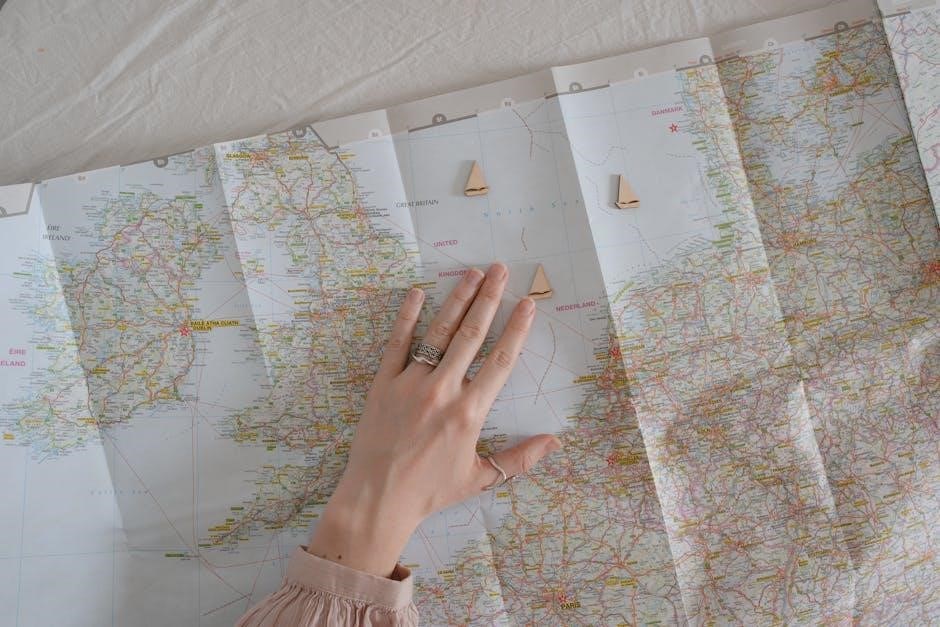
By referencing Black Beach‚ the guide subtly emphasizes the resilience and adaptability of life in Israel‚ thriving even in seemingly harsh conditions. This mirrors the dedication of the challah bakers.
This comparison isn’t merely about aesthetics; it’s about showcasing the multifaceted nature of Israel – a land of ancient history‚ spiritual significance‚ and breathtaking natural beauty‚ all coexisting harmoniously.
XIX. The Guide’s Skill in Drawing Comparisons
The tour guide’s true talent lies in their ability to forge unexpected connections‚ weaving together seemingly disparate elements into a cohesive narrative. This skill elevates the experience beyond a simple factory tour‚ transforming it into a journey of discovery.
For instance‚ the guide might link the meticulous process of challah baking – the kneading‚ rising‚ and braiding – to the dedication and perseverance required to build a life in the challenging Israeli landscape.
They could draw parallels between the communal aspect of challah‚ often shared during Shabbat and holidays‚ and the importance of family and tradition‚ referencing resources like the Thanksgiving Seder guides for families.
Incorporating linguistic insights‚ the guide might explain how the phrase “Inch Allah” reflects a cultural acceptance of fate and divine will‚ mirroring the reliance on blessings in the food preparation process.
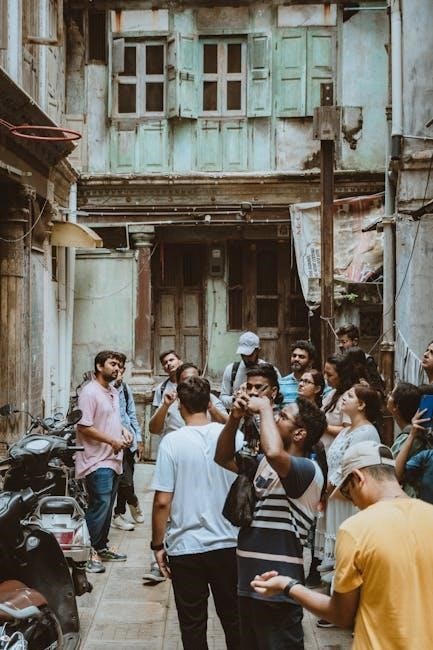
This comparative approach isn’t about finding exact equivalents; it’s about fostering a deeper understanding of the cultural‚ historical‚ and spiritual context surrounding the challah factory and the land itself‚ enriching the visitor’s experience.
XX. Conclusion: A Moment of Reflection and Connection
As the tour concludes‚ visitors are left with more than just a loaf of challah; they carry a sense of connection – to the land‚ to its history‚ and to the traditions that have sustained generations.
The guide’s skillful weaving of narratives‚ from the biblical journey of Avraham and Sarah to the modern-day production process‚ creates a powerful resonance.
The seemingly simple act of breadmaking becomes a symbol of continuity‚ resilience‚ and the enduring spirit of the region.
Incorporating cultural nuances‚ like the explanation of “Inch Allah‚” broadens perspectives and fosters a deeper appreciation for the diverse influences shaping Israeli identity.

The experience transcends a typical tourist visit‚ prompting a moment of personal reflection on faith‚ tradition‚ and the shared human experience.
It’s a reminder that even in a modern factory setting‚ echoes of the past reverberate‚ offering a tangible link to ancient stories and enduring values‚ leaving a lasting impression on all who participate.