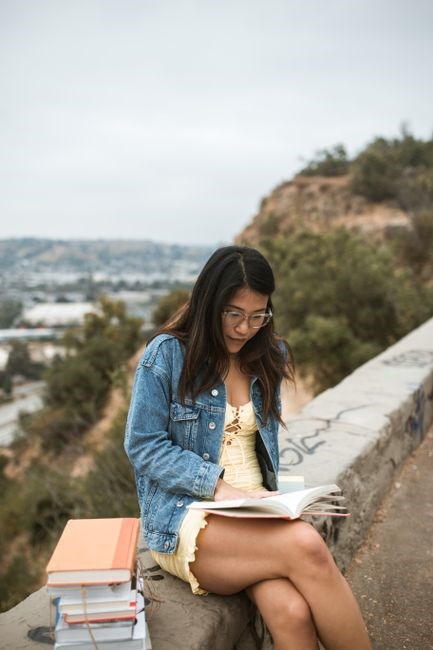
Readers often seek quick access to texts, yet navigating digital libraries can be daunting․ This piece explores practical steps, tools, and mindful choices that help locate resources responsibly while respecting creators’ rights․
With daily caution, readers enjoy literature, respecting creators’ effort․
Purpose of the Article
In an era where digital footprints are ubiquitous, readers often find themselves navigating a maze of legal, ethical, and practical considerations when searching for literary works․ This article aims to illuminate the path toward responsibly accessing a specific text, outlining the motivations behind the search, the importance of respecting intellectual property, and the broader implications for both individual readers and the literary community at large․ By dissecting the motivations that drive the quest for a free PDF, we can better understand how to balance curiosity with compliance․ The article also seeks to provide actionable guidance for locating legitimate sources, evaluating the risks of unauthorized downloads, and recognizing the value of supporting authors and publishers․ Ultimately, the purpose is to empower readers with knowledge, encouraging informed decision‑making while fostering a culture of respect for creative labor and legal frameworks․ Whether you are a student, a researcher, or a casual fan, this piece offers a thoughtful exploration of the ethical landscape surrounding digital text acquisition, helping you navigate the fine line between accessibility and legality․ Readers who navigate this terrain with diligence safeguard their interests and contribute to a healthier ecosystem where authors receive due recognition and the literary market thrives on fair competition․ Such mindful practices reinforce the principle that literature is a heritage, not a commodity to be exploited!!․

About the Book

Explore the narrative arc, themes, and character dynamics that define this work․ The story weaves contemporary struggles with timeless motifs, offering readers insight into the author’s vision and the cultural context that shapes the plot’s emotional resonance․ —deeply resonant!!!!
Plot Overview

The narrative follows a young protagonist navigating a labyrinth of personal and societal challenges․ As the story unfolds, the character encounters a series of pivotal moments that test resilience, identity, and moral convictions․ Each chapter interlaces introspective dialogue with vivid descriptions of setting, allowing readers to immerse themselves in the evolving emotional landscape․ The plot weaves themes of ambition, love, and the search for meaning, while confronting the tension between tradition and modernity․ Through a series of unexpected twists, the protagonist must confront hidden truths, reconcile conflicting loyalties, and ultimately decide the path that defines their future․ The climax builds on the cumulative stakes, culminating in a resolution that offers both closure and lingering questions․ This layered approach invites reflection on the human condition and the power of narrative to illuminate complex truths․
The story’s climax is a turning point where the protagonist confronts a pivotal choice that reshapes their worldview․ This decision is framed by a series of symbolic events that echo the novel’s central motifs, such as the interplay between light and shadow, freedom and constraint․ The resolution is not a tidy ending but a nuanced reflection that encourages readers to question the nature of success and the value of personal integrity․ In the final scenes, the protagonist’s journey culminates in a moment of self‑acceptance, leaving readers with a lingering sense of hope and the possibility of renewal․!

Author Background
Ann Liang grew up in a culturally rich environment, shaping her narrative voice․ Her studies in comparative literature refined storytelling, while diverse life experiences morethemes․ Liang’s work champions resilience, identity, and expression, earning acclaim worldwide today!
Ann Liang’s Literary Career
Ann Liang’s literary journey began in the early 2000s, publishing stories in journals․ Her debut novel, released in 2008, quickly garnered critical acclaim for its nuanced portrayal of cultural identity and intergenerational conflict․ Over the next decade, Liang expanded her repertoire, experimenting with various narrative forms, including epistolary novels, experimental prose, and hybrid memoirs․ Her 2012 collection of essays, “Echoes of the Hearth,” explored themes of memory, belonging, and the quiet power of everyday rituals, earning her a national literary award․ In 2015, Liang released a groundbreaking work that blended folklore with contemporary social commentary, solidifying her reputation as a versatile and socially conscious writer․ She has also contributed to numerous anthologies, served as a mentor in writers’ workshops, and lectured at universities worldwide․ Liang’s influence extends beyond fiction; she actively engages in literary advocacy, championing equitable representation and supporting emerging voices in marginalized communities․ Her recent projects include a collaborative multimedia installation that merges text, sound, and visual art, reflecting her commitment to interdisciplinary storytelling․ Throughout her career, Liang has maintained a steadfast dedication to authenticity, linguistic precision, and the exploration of human resilience in the face of change․ Her body of work inspires readers and writers, underscoring narrative’s power to bridge divides and foster empathy cultures for all us․

Legal Considerations
Legal considerations involve copyright law, fair‑use limits, and the risk of infringement when accessing PDFs without permission․ Understanding jurisdictional nuances and respecting authors’ rights is essential before sharing or downloading any text․ Follow these rules to avoid legal trouble and respect it․
When a text remains under copyright, the author or publisher holds exclusive rights to reproduce, distribute, and display the work․ In most jurisdictions, these rights last for the life of the author plus 70 years, though some countries use 50 or 95 years for corporate works․ Accessing a PDF of a still‑protected text without explicit permission can constitute infringement, even if the copy is shared privately or for study․ The doctrine of fair use (or fair dealing in some regions) offers limited exceptions․ Courts evaluate four factors: purpose and character of the use, nature of the work, amount and substantiality of the portion used, and effect on the market value․ Non‑commercial, transformative, or educational uses that do not substitute for the original are more likely to be deemed fair․ Yet, large‑scale downloads, public sharing, or commercial distribution almost always fall outside fair use․ Therefore, before accessing or sharing a PDF, verify the status, consider the purpose, and consult legal guidance if uncertain․ Respecting copyright protects creators and sustains the literary ecosystem․ Libraries provide access through loans or digital lending․ Downloading from unverified portals can expose the user to civil lawsuits or fines․ While libraries expand access, users should still verify licensing terms before downloading․ Publishers offer free excerpts that satisfy academic needs․ These legitimate channels help avoid legal pitfalls and support authors․ For students, educators, and researchers, the safest route is to use institutional subscriptions, request copies through official channels, or seek out public‑domain works․ By doing so, the community upholds intellectual property rights while fostering knowledge sharing and art․

Finding the PDF
Use search engines, academic databases, and library portals․ Enter the title and author, add “PDF” to locate official copies․ Check university repositories, Google Scholar, and Open Access sites․ Verify source authenticity before downloading․ Ensure compliance with local laws and!!
Search Engines and Academic Resources
When searching for a PDF, start with general search engines․ Use specific queries: “Ann Liang pdf”, “Ann Liang full text”, or add the book title․ Employ quotation marks to narrow results․ Filter by filetype: add “filetype:pdf” to the query․ This directs the engine to show only PDF files․
Academic repositories such as Google Scholar, JSTOR, and institutional repositories often host PDFs․ Enter the title and author in the search bar; many entries link directly to downloadable PDFs․ Use the “All versions” link to locate alternate copies․
University libraries provide access through their digital collections․ If you have a library card, log in to the portal and search the catalog․ Many libraries offer interlibrary loan for PDFs not in their holdings․
Specialized databases like Project Gutenberg, Internet Archive, and Open Library host free PDFs of public‑domain works․ For contemporary titles, check the publisher’s website; some offer free PDFs for academic use․
Always verify the source’s legitimacy․ Look for official domains (․edu, ․org, ․gov) or reputable academic sites․ Avoid sites that offer the PDF for download without proper licensing, as they may infringe copyright․
Extensions such as Zotero or Mendeley scan library catalogs for PDFs and manage citations, helping you stay compliant․ If a PDF is behind a paywall, request a copy via the author’s contact or use the publisher’s “Request a copy” feature․!!
Free Sources
Public libraries, open‑access portals, and author‑approved sites offer free PDFs․ Check university repositories, Project Gutenberg, Internet Archive, and Open Library․ Many institutions provide digital lending; use library cards or interlibrary loans for access․ Download responsibly․
Library Partnerships and Open Access Platforms
Many libraries collaborate with open‑access initiatives to broaden readership․ By joining consortiums such as the Open Library Initiative or the Digital Public Library of America, institutions can share digital copies of works that are in the public domain or have been released under Creative Commons licenses․ These partnerships often provide a unified search interface, allowing patrons to locate a title across multiple holdings with a single query․ Users can then request a digital loan or download, depending on the library’s licensing agreements․ Additionally, universities host repositories that contain theses, dissertations, and faculty publications, freely available to the public․ These repositories are typically indexed by search engines, improving discoverability․ For authors who wish to share their work, platforms like arXiv, SSRN, or institutional repositories offer a way to upload pre‑prints or final drafts․ When a PDF is made available through such channels, it is usually accompanied by a clear license statement, ensuring that readers understand the permissible uses․ Libraries also participate in the Open Access Button, a tool that helps locate freely available versions of paywalled articles․ Leveraging these resources, readers can find no‑cost copies of texts that would otherwise require purchase․ It is to verify source’s legitimacy and the license terms before downloading․ This approach not only supports the author’s rights but also promotes wider dissemination of knowledge․

Risks and Ethics

Downloading PDFs without permission exposes users to legal action, damages reputations, and harms authors’ income․ Ethically, respecting intellectual property rewards creators, encourages new works, and sustains a fair literary marketplace for all․ Legaloptions protect authors’ income
Potential Legal Consequences and Moral Implications
Unauthorized downloading of copyrighted works can trigger civil litigation, statutory damages, and injunctions․ Courts may award damages ranging from a few hundred to thousands of dollars per infringing copy, and punitive damages may be added in egregious cases․ Beyond financial loss, the infringer’s reputation can suffer, leading to loss of trust among peers and professional setbacks․ Legally, the act violates the author’s exclusive rights, undermining the incentive to create․ Morally, it disrespects the creator’s labor and the cultural ecosystem that depends on fair compensation․ Ethical frameworks stress that consumers should support authors through legitimate channels such as purchasing, library borrowing, or accessing licensed free platforms that compensate creators․ By choosing legal avenues, readers protect the integrity of the creative community, ensuring authors receive fair remuneration and encouraging continued artistic production․ In addition, it is essential to recognize that the digital age has transformed how we access information, yet the fundamental principles of respect and legality remain unchanged․ By adhering to legal frameworks, we not only protect the rights of creators but also contribute to a sustainable environment where creativity can thrive․ This balanced approach ensures that both consumers and authors benefit, fostering a culture of trust innovation and shared success․ Readers who respect these principles help sustain the creative economy daily every;
In closing, the pursuit of free PDFs must balance curiosity with respect for authors’ rights․ By opting for legitimate channels—libraries, official releases, or licensed platforms—readers safeguard legal standing, support creators, and preserve the cultural ecosystem for works??!!․